Devotion to Hashem
A Jewish king dedicates his authority to serving Hashem. Chabad’s teachings about the inner life of the soul explain that Moshiach awakens each Jew’s deepest connection with Hashem. This inner point is called the yechidah.
UNDERSTANDING MOSHIACH · WELCOMING HIS LEADERSHIP
Jewish teaching describes Moshiach as a leader who will bring the world toward peace, goodness, and knowledge of Hashem — G‑d. Begin with that vision, meet the Lubavitcher Rebbe through his teachings and work, and consider what welcoming his leadership means to you.
No familiarity with the Rebbe’s talks or Hebrew terminology is needed.
A FEW WORDS TO KNOW
You can follow the ideas in English. These Hebrew words appear throughout the page.
01 · BEGIN WITH THE IDEA
Moshiach is a human leader from the family of King David. The Torah — Hashem’s teaching and guidance for life — describes his task: bring the Jewish people together, restore the fullness of Jewish life, and lead the world toward knowing and serving its Creator. The word Geulah means this complete redemption.
A Jewish king dedicates his authority to serving Hashem. Chabad’s teachings about the inner life of the soul explain that Moshiach awakens each Jew’s deepest connection with Hashem. This inner point is called the yechidah.
The Rambam, also known as Maimonides, describes Moshiach as deeply learned in Torah and faithful in observing its commandments, called mitzvos. He leads the Jewish people to live by Torah, rebuilds the Holy Temple in Jerusalem, and gathers the dispersed Jewish people.
A Torah king carries the Jewish people’s needs in his heart. His leadership brings them together around their connection to Hashem and their responsibility to care for one another. The image is of a heart giving life to the whole body.
Redemption brings the freedom to learn about Hashem and live with that knowledge. The Rambam describes a world where people can devote themselves to Torah and wisdom, free from the pressures that prevent them from doing so.
The Rambam’s vision reaches humanity as a whole: peoples serving Hashem together, an abundance of goodness, and an end to hunger and war.
The Rambam describes both the kind of leader Moshiach is and the work he must accomplish. He distinguishes a leader who meets the initial requirements from one whose completed work establishes his identity with certainty.
Sources: Rambam, Hilchos Melachim 11:1, 11:4, 12:4–5; Likkutei Sichos, vol. 19, pp. 165–169; Sichos in English, “Mashiach’s Personality.” Read the sources below →
02 · ENCOUNTER THE REBBE
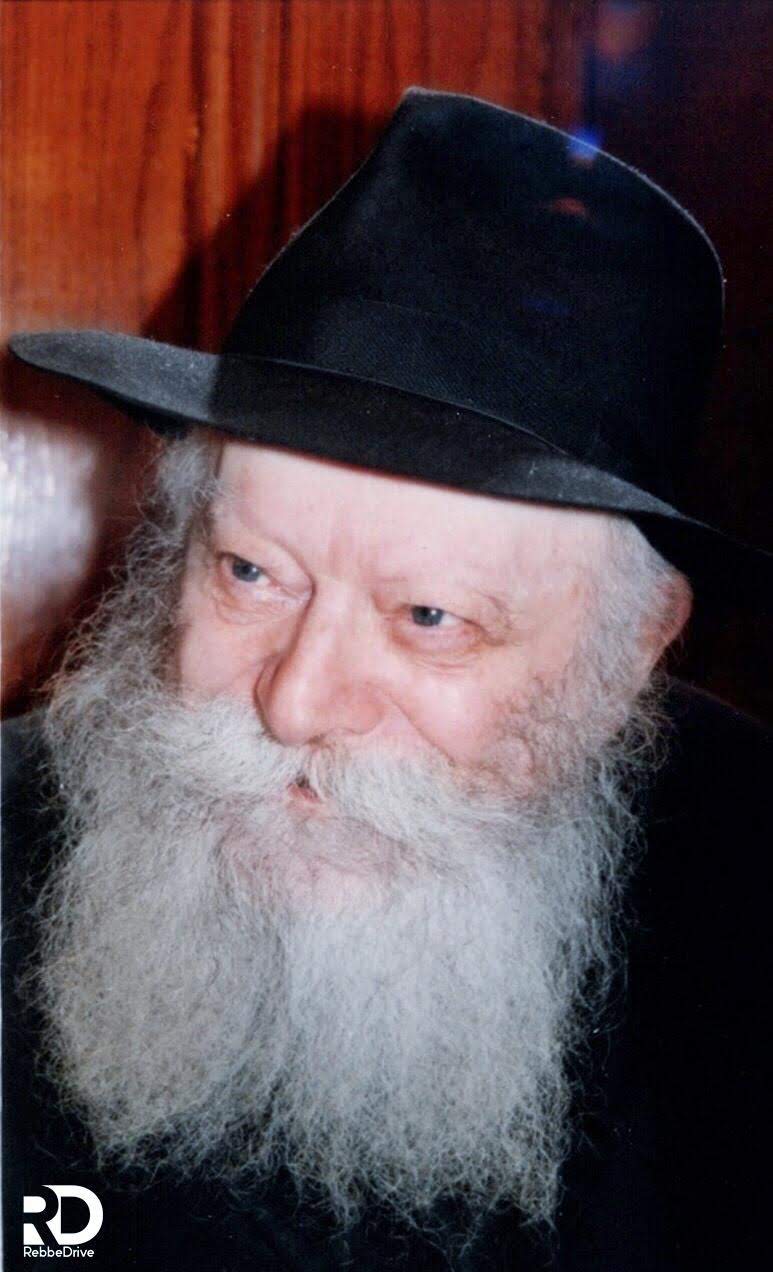
Rabbi Menachem M. Schneerson is known as the Lubavitcher Rebbe. A Rebbe is a Torah teacher and spiritual leader who guides people in serving Hashem. As the seventh leader of Chabad-Lubavitch, he inspires a worldwide effort to strengthen Jewish life and prepare the world for redemption. The Rebbe’s teachings illuminate the deepest dimensions of Torah and reveal each person’s place in Hashem’s purpose for creation. His concern for the whole Jewish people is inseparable from his care for each individual: the question of a child, the challenge of a family, the next mitzvah of one Jew. Each life matters, and each person has the power to help bring the entire world to Geulah.
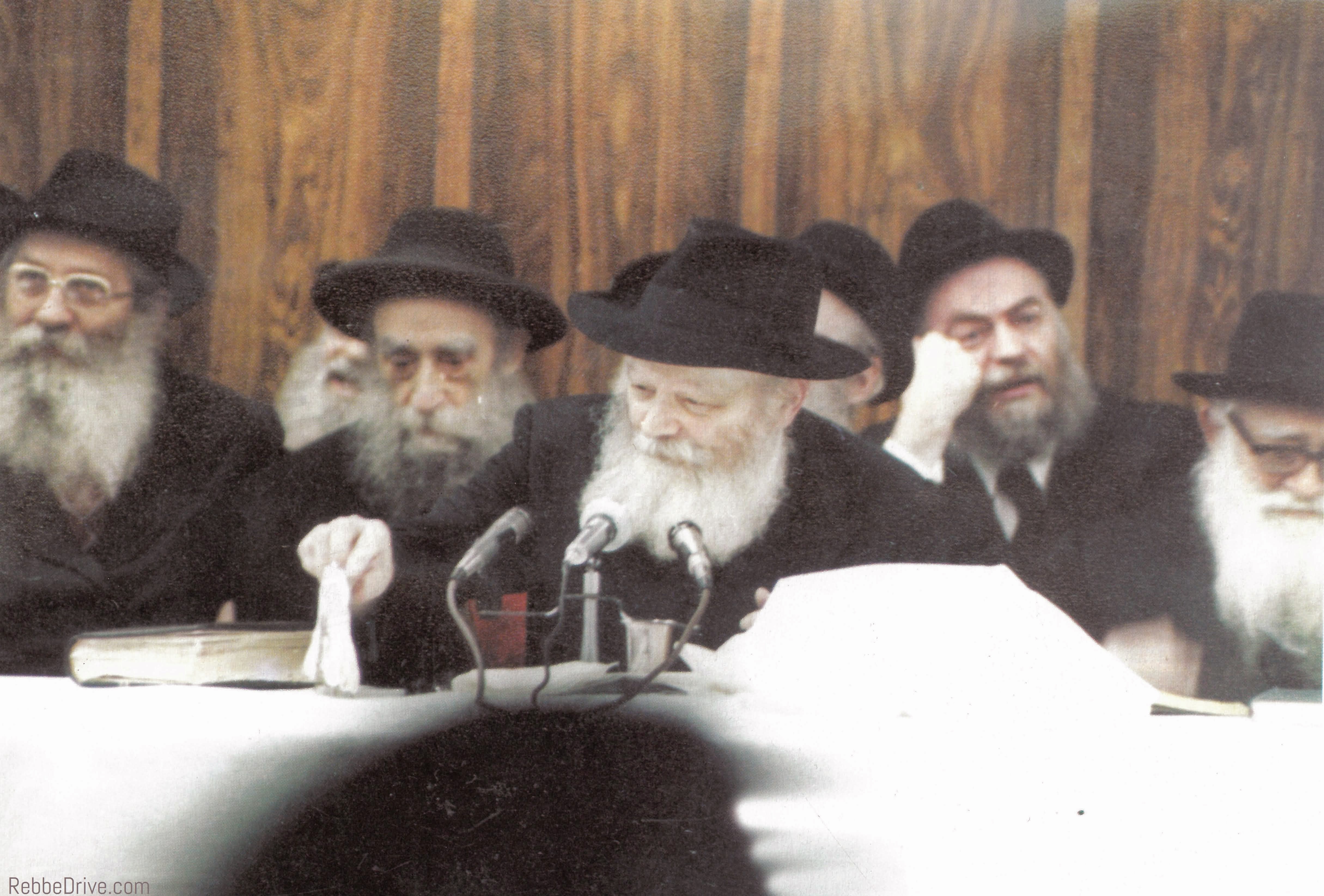
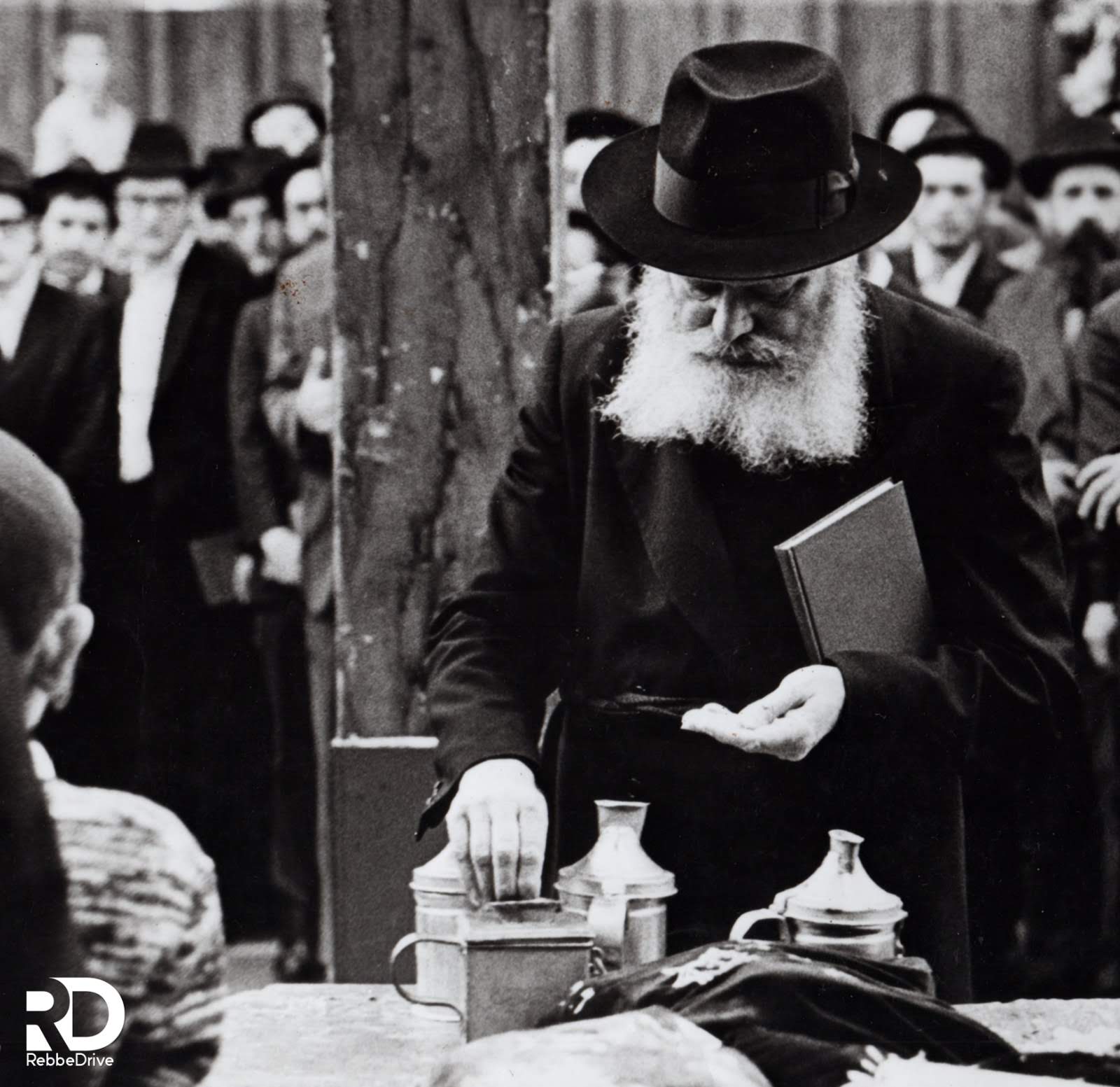
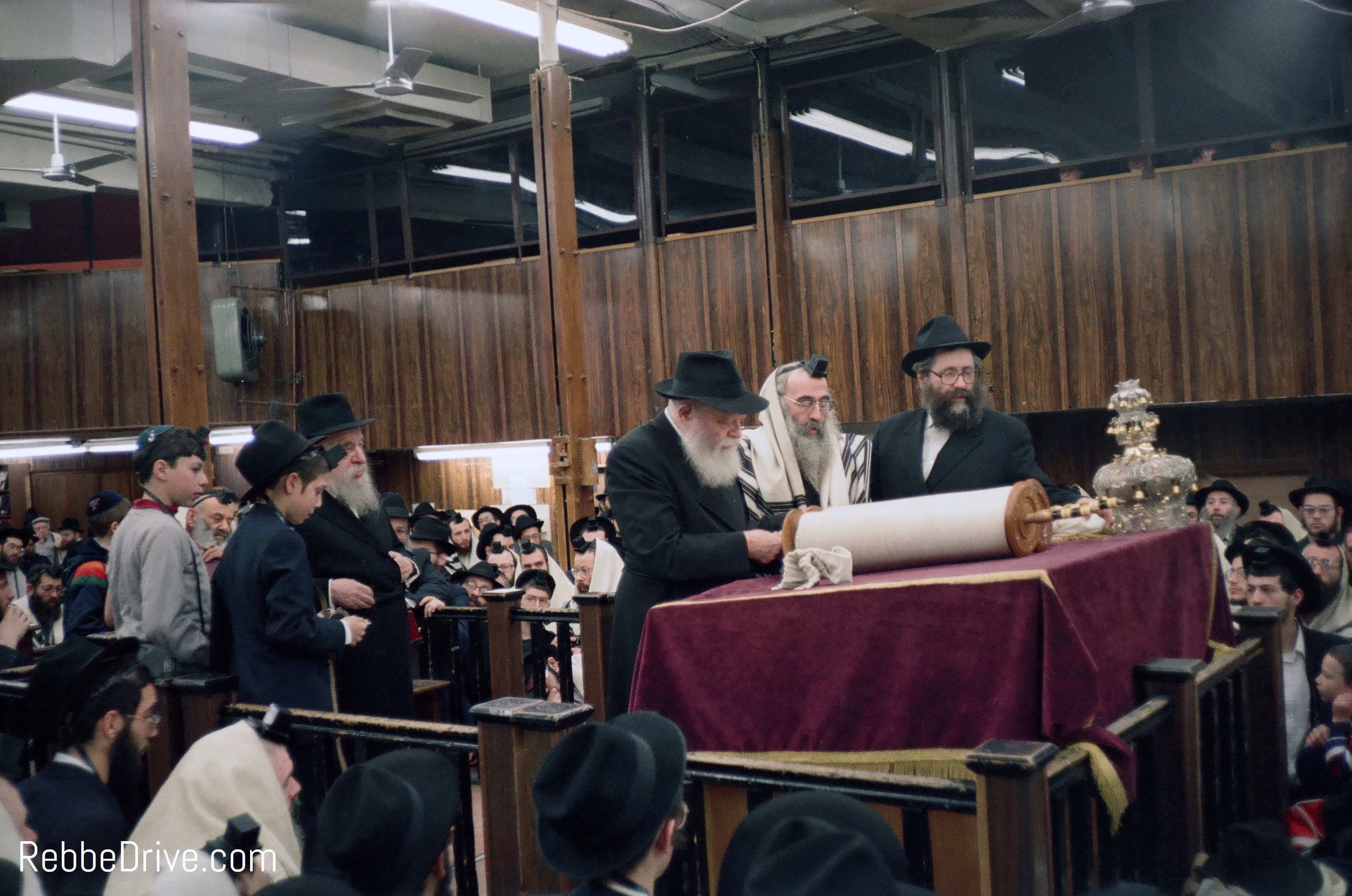

The Rebbe teaches Jewish law, the meaning of Torah passages, and the inner teachings of Chassidus. His talks and letters connect deep Torah ideas with daily choices: how to educate a child, help a neighbor, or give one’s work a higher purpose.
Source: The Rebbe — A Brief Biography ↗The Rebbe encourages every Jew to take a practical step: put on tefillin, light Shabbos candles, place a mezuzah on a doorway, give charity, or learn Torah. Each mitzvah connects a person with Hashem. One good deed has importance for the entire world.
Source: The Rebbe’s Mitzvah Campaign ↗The Rebbe sends shluchim — emissaries who devote themselves to helping other Jews — to communities around the world. Chabad Houses provide places to learn, celebrate Shabbos, and find help with Jewish life. Every individual matters, whatever their background.
Source: The Rebbe’s leadership and outreach ↗Jewish education, called chinuch, has a central place in the Rebbe’s work. Schools, camps, children’s programs, and daily learning help people grow into caring, responsible Jews who can teach and inspire others.
Source: Education and Leadership ↗The Rebbe teaches that the Torah offers guidance for all humanity through the Seven Laws of Noah. Building a just, decent society, with awareness of its Creator, helps the whole world become a place where Hashem’s presence is recognized.
Source: The Seven Noachide Laws ↗The Rebbe asks each person to help prepare for Moshiach: study what Torah says about redemption, add a mitzvah, and help another person. In a 1991 address, he explains that welcoming Moshiach should give direction to every part of this shared mission.
Source: Chayei Sarah 5752, §§13–14 ↗As you consider Torah’s description of Moshiach alongside the Rebbe’s teachings and work, what connections do you see? What would accepting this leadership mean in your own life?
Explore the sources for yourself03 · A KEY TEACHING, EXPLAINED
In 1991, at the International Conference of Shluchim — the gathering of Chabad emissaries — the Rebbe explains that our welcoming Moshiach helps make it possible for him to fulfill his mission of redemption. This address is known as Chayei Sarah 5752, after that week’s Torah reading and the Hebrew year.
Learn the full Hebrew textכדי שיוכל לקיים את שליחותו בפועל ולהוציא את כל ישראל מהגלותIn plain English: our welcome is directed toward enabling Moshiach to carry out his mission and bring every Jew out of exile.
Explanation in English · Chayei Sarah 5752, section 1304 · WHAT ACCEPTANCE MEANS
First, understand the person and the mission. The Torah describes Moshiach as a king from the family of David who leads the Jewish people toward the complete restoration of Torah life.
In a 1991 talk known as Mishpatim 5751, the Rebbe emphasizes the people’s acceptance of Moshiach as king. To welcome his leadership is to express a sincere willingness to learn from him and follow his Torah guidance.
Acceptance becomes practical through learning, observing the Torah’s commandments, and caring for another Jew. For example: set aside time to study a teaching of the Rebbe, then choose one step to put it into practice.
Sources and context for these explanations appear in the study library below.
THE INVITATION BEHIND THIS WEBSITE
This initiative is for those who recognize the Lubavitcher Rebbe as Moshiach and wish to welcome his leadership. The Hebrew title Melech HaMoshiach means King Moshiach. We invite you to explore the Torah description, learn about the Rebbe, and consider whether the declaration below expresses your own conviction.
The declaration is this initiative’s application of the teachings. The source library distinguishes the source texts from that application.
LEARN BEFORE YOU SIGN
Want to look more closely? Each reading has a short explanation and a link to the full source. You can begin with the summaries and return for deeper study.
In plain EnglishThis Chabad study presents kingship as humility before Hashem and explains the king’s role in awakening the Jewish people’s deepest connection to Him. Moshiach is associated with the yechidah — the deepest bond of the Jewish soul with Hashem — encompassing all generations. His leadership expresses this inner bond in the life of the nation.
Source context: A contemporary explanation by Rabbis Nissan Dovid Dubov and Naftoli Hertz Pewzner. Its footnotes distinguish halachic sources from Chassidic explanations, including Likkutei Sichos, vol. 27, p. 256, note 37, and Derech Mitzvosecha, 108a onward.
Open the sourceIn plain EnglishSection 13 connects receiving Moshiach in actuality with his ability to carry out his mission and take all Israel out of exile. Section 14 directs every aspect of the emissaries’ mission toward this purpose. It calls for explaining Moshiach in a way each person can understand, especially through thoughtful study of Moshiach and Geulah.
Source context: Text: the published Hebrew translation from Yiddish, attributed to Vaad Hanochos B’Lahak. The preceding passage speaks explicitly of the Rebbe’s father-in-law, the Previous Rebbe, as the leader of the generation (nasi hador). This site’s declaration of allegiance to the Lubavitcher Rebbe is the campaign’s application; it is not a verbatim statement of personal identification in this passage.
Open the sourceIn plain EnglishThe Rebbe explains that Moshiach has already been appointed, and then emphasizes the people’s acceptance of him as king and the actual expression of the bond between king and people. The talk connects this with complete Redemption. This is a direct source for discussing acceptance as a meaningful part of welcoming Moshiach.
Source context: Source edition: Sichos in English, a free English translation. Its conclusion does not prescribe this website’s form or establish a required number of signatures.
Open the sourceIn plain EnglishThe Rambam describes a king from David’s family who restores Jewish sovereignty, rebuilds the Holy Temple in Jerusalem and gathers the dispersed Jewish people. He distinguishes a leader who meets Moshiach’s initial requirements (presumptive Moshiach) from one whose completed work confirms his identity (definite Moshiach). Belief in Moshiach includes awaiting his coming.
Source context: These are the foundational categories in Jewish law. This campaign’s declaration expresses its participants’ conviction about the Rebbe; a signature does not replace the Rambam’s criteria or constitute a ruling in Jewish law.
Open the sourceIn plain EnglishAt King Solomon’s anointing, the people publicly proclaim their welcome to the king. The verse gives a concrete example of the people participating in the recognition of Davidic kingship.
Source context: A historical Torah precedent for a spoken proclamation. The verse itself does not institute an online signature campaign.
Open the sourceIn plain EnglishThe Rebbe explores the Rambam’s description of the king’s heart as the heart of the Jewish people. His leadership is bound up with their welfare. The relationship carries both responsibility toward the people and dependence upon them.
Source context: Linked text: an English adaptation of the sichah. This illuminates the bond expressed by accepting the king’s leadership (kabbalas hamalchus).
Open the sourceIn plain EnglishThe Rebbe calls for personal effort toward bringing Moshiach, particularly studying Torah about Moshiach and Redemption, observing the Torah’s commandments with greater care, and increasing charity (tzedakah). Learning gives substance to anticipation and shapes the actions we take.
Source context: The practical choices below are suggested ways to apply this guidance. Their particular schedule is a personal resolution made without a vow (bli neder).
Open the sourceIn plain EnglishThe Rambam describes an era free of hunger and war, with abundant goodness and the freedom to devote ourselves to Torah and knowledge of Hashem. Redemption reaches into actual human life and the purpose of the whole world.
Source context: This is the goal of the commitment: serving Hashem and preparing for the true and complete Geulah.
Open the sourceFor further study: The Rebbe’s address of 2 Nissan 5748 (1988) explores the relationship between a king and his people. The recording is in Yiddish. Listen to the recording →
This independent Alefing initiative is inspired by the approach of Welcoming Moshiach. It is not affiliated with that website, and signatures here are not submitted to it.
MY PERSONAL DECLARATION
The declaration says: I welcome the Rebbe as King Moshiach, accept his Torah leadership, and choose a practical step in serving Hashem. Please read the full wording before signing.
With faith in Hashem and heartfelt anticipation of the true and complete Geulah, I accept the kingship and leadership of the Lubavitcher Rebbe, Rabbi Menachem M. Schneerson, as Melech HaMoshiach. I affirm my allegiance through learning his Torah, following his guidance in the service of Hashem, and strengthening my observance of Torah and mitzvos. I wish to take my part in welcoming him, so that he may fulfill his mission of leading all of Israel out of exile. I undertake my practical resolution bli neder, and pray for the immediate revelation of Moshiach and the redemption of all Israel.
יחי אדוננו מורנו ורבינו מלך המשיח לעולם ועד
Meaning of the Hebrew proclamation: may our master, teacher and Rebbe, King Moshiach, live forever.
Bli neder means that the practical resolution is made without taking a vow.Sign your own name and choose one practical step.
Your name is not displayed publicly. No mailing list. Return with the same account to view or remove your signature.
A FEW PRACTICAL QUESTIONS
It records a deliberate personal acceptance and pairs it with a practical resolution. Its purpose is to give sincere expression to accepting the Rebbe’s leadership and strengthening your connection with his teachings. Your chosen action helps carry that commitment into daily life. The sources do not set a required number of signatures.
Other visitors cannot see your name or resolution. This site stores your typed name, selected action, account identifier, declaration version and date. No contact email is collected by this form. Hosting administrators may access stored records. You can remove your record using the same signed-in account.
Yes. Learning the sources is itself a meaningful step. Read at your own pace and sign only when the words express your own commitment.
Invite someone to learn the sources with you. The site owner must enable public access before visitors outside the current audience can open it.
לקבל פני משיח צדקנו בפועל ממש